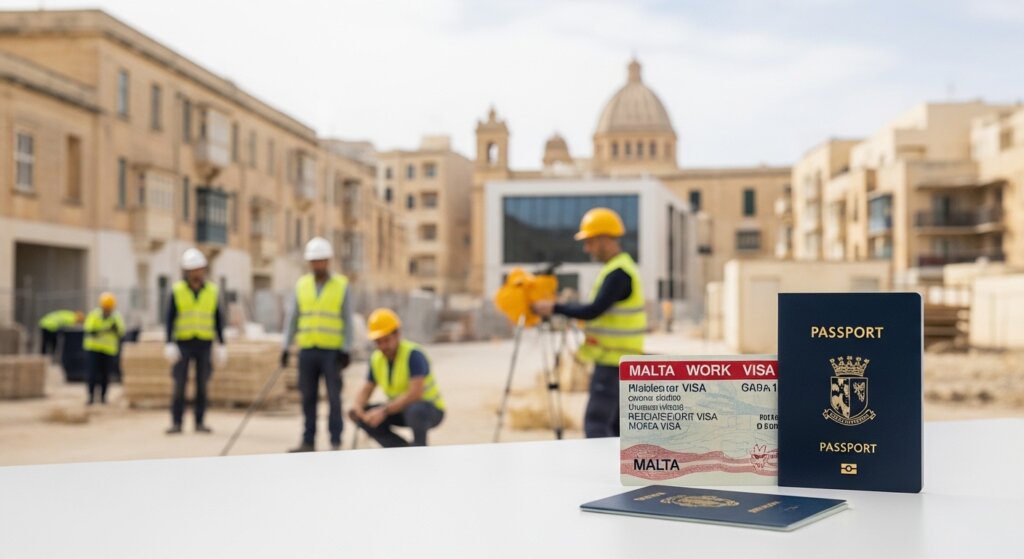
Malta has become one of the most attractive European destinations for foreign workers in recent years. With English as an official language, a stable economy, and growing demand in multiple industries, Malta offers excellent opportunities for international job seekers in 2026.
If you are planning to move to Europe for work, this complete guide will explain everything you need to know about the Malta Work Visa 2026, including job requirements, salary expectations, work permit types, application process, and important tips to avoid rejection.
Why Work in Malta?
Malta is a small island country located in the Mediterranean Sea. Despite its size, it has a strong and expanding economy. The capital city, Valletta, is a major center for tourism, finance, and international business.
Main Benefits of Working in Malta:
- English is an official language
- Member of the European Union
- Safe and peaceful environment
- Growing demand for foreign workers
- Access to Schengen travel
- Competitive salaries compared to living costs
Many foreign workers choose Malta because communication is easy and job opportunities are increasing every year.
Types of Malta Work Permits (2026)
If you are a non-EU citizen, you must obtain a valid work permit before starting employment in Malta.
1. Single Work Permit
The Single Work Permit is the most common work authorization in Malta.
- Requires a confirmed job offer
- Employer submits the application
- Valid for one year (renewable)
- Allows legal residence and employment
2. EU Blue Card
This permit is for highly skilled professionals.
- Requires a university degree
- Higher salary threshold
- Easier mobility within EU countries
3. Seasonal Work Permit
Issued for short-term employment in tourism, agriculture, and hospitality sectors.
Jobs in Demand in Malta (2026)
Malta’s labor market continues to expand, especially in the following sectors:
Hospitality & Tourism
- Waiters and waitresses
- Chefs
- Hotel receptionists
- Housekeeping staff
Construction
- Electricians
- Plumbers
- Skilled labor workers
- Site supervisors
Healthcare
- Nurses
- Caregivers
- Medical assistants
IT & Digital Sector
- Software developers
- Digital marketing specialists
- Customer support agents
Transport & Logistics
- Drivers
- Warehouse workers
Foreign workers with skills and experience in these fields have strong chances of securing employment.
Malta Work Visa Requirements
To apply for a Malta work visa in 2026, you must meet the following requirements:
- Valid passport
- Confirmed job offer from a Maltese employer
- Signed employment contract
- Completed work permit application
- Health insurance
- Police clearance certificate
- Medical fitness certificate
- Proof of accommodation in Malta
In most cases, the employer handles the permit application process, but you must provide accurate documents.
Step-by-Step Application Process
Step 1: Secure a Job Offer
You must first find a job in Malta. Without a job offer, you cannot apply for a work permit.
Step 2: Employer Applies for Work Permit
Your employer submits your Single Permit application to the Maltese authorities.
Step 3: Apply for National Visa (D Visa)
Once your permit is approved, you apply for a long-stay visa from the Maltese embassy in your home country.
Step 4: Travel to Malta
After receiving your visa, you can travel and legally start working.
Processing time generally takes 4 to 8 weeks.
Salary in Malta 2026
In 2026, the average salary for skilled foreign workers in Malta ranges between €1,800 and €3,000 per month.
Your exact salary depends on:
- Industry
- Experience level
- Job position
- Employer
Estimated Salary Range by Sector:
- Hospitality supervisors: €1,800 – €2,400
- Skilled construction workers: €1,900 – €2,800
- Nurses and healthcare professionals: €2,000 – €3,000
- IT professionals: €2,500 – €3,000+
Highly experienced professionals in specialized fields may earn above €3,000 per month.
With a salary between €1,800 and €3,000, most workers can live comfortably and manage expenses effectively.
Cost of Living in Malta
Before moving, it is important to understand monthly expenses.
Average Monthly Costs:
- Shared accommodation: €400 – €700
- Private apartment: €800 – €1,300
- Food and groceries: €250 – €350
- Transport pass: Around €26
- Utilities: €100 – €150
Living costs vary depending on location and lifestyle, but overall Malta remains more affordable than many Western European countries.
Can You Bring Your Family?
Yes, Malta allows family reunification under certain conditions.
You must:
- Hold a valid residence permit
- Meet minimum income requirements
- Provide suitable accommodation
After approval, your family members can legally live in Malta.
Permanent Residency in Malta
After living and working legally in Malta for five continuous years, you may apply for long-term residence status.
Benefits include:
- Greater job flexibility
- Long-term security
- Easier travel within EU countries
Important Tips to Avoid Rejection
- Apply only through legal and verified employers
- Avoid fake job offers
- Ensure your salary meets legal standards
- Submit complete and accurate documentation
- Never pay large fees to unverified agents
Careful preparation significantly increases your approval chances.
Final Thoughts
Malta Work Visa 2026 provides a strong opportunity for foreign workers who want to build a career in Europe. With average monthly salaries between €1,800 and €3,000, growing job demand, and a safe environment, Malta remains an attractive destination.
The key to success is securing a genuine job offer and following the official legal process. With proper planning and documentation, you can successfully start your professional journey in Malta in 2026.